
As we move toward 2026, the job market is evolving faster than ever. Technology, design standards, and hiring expectations are changing—and that means your resume needs to change with them. What worked even a year ago might now look outdated. Recruiters are becoming more selective, hiring tools are becoming smarter, and candidates need to present themselves with clarity, precision, and professionalism.
Here’s an in-depth look at the biggest resume trends that will define 2026 and how you can stay ahead of the curve.
1. Clean, minimalist design takes the lead
Minimalist design isn’t just a trend anymore—it's becoming the professional standard. In 2026, recruiters expect resumes that look calm, easy on the eyes, and structured with intention.
A minimalist resume reduces noise and highlights what truly matters: your experience, your skills, and your accomplishments. Clean lines, smart spacing, and modern typography create an immediate sense of clarity. Instead of overwhelming readers with clutter, a minimalist layout guides the eye naturally from section to section.
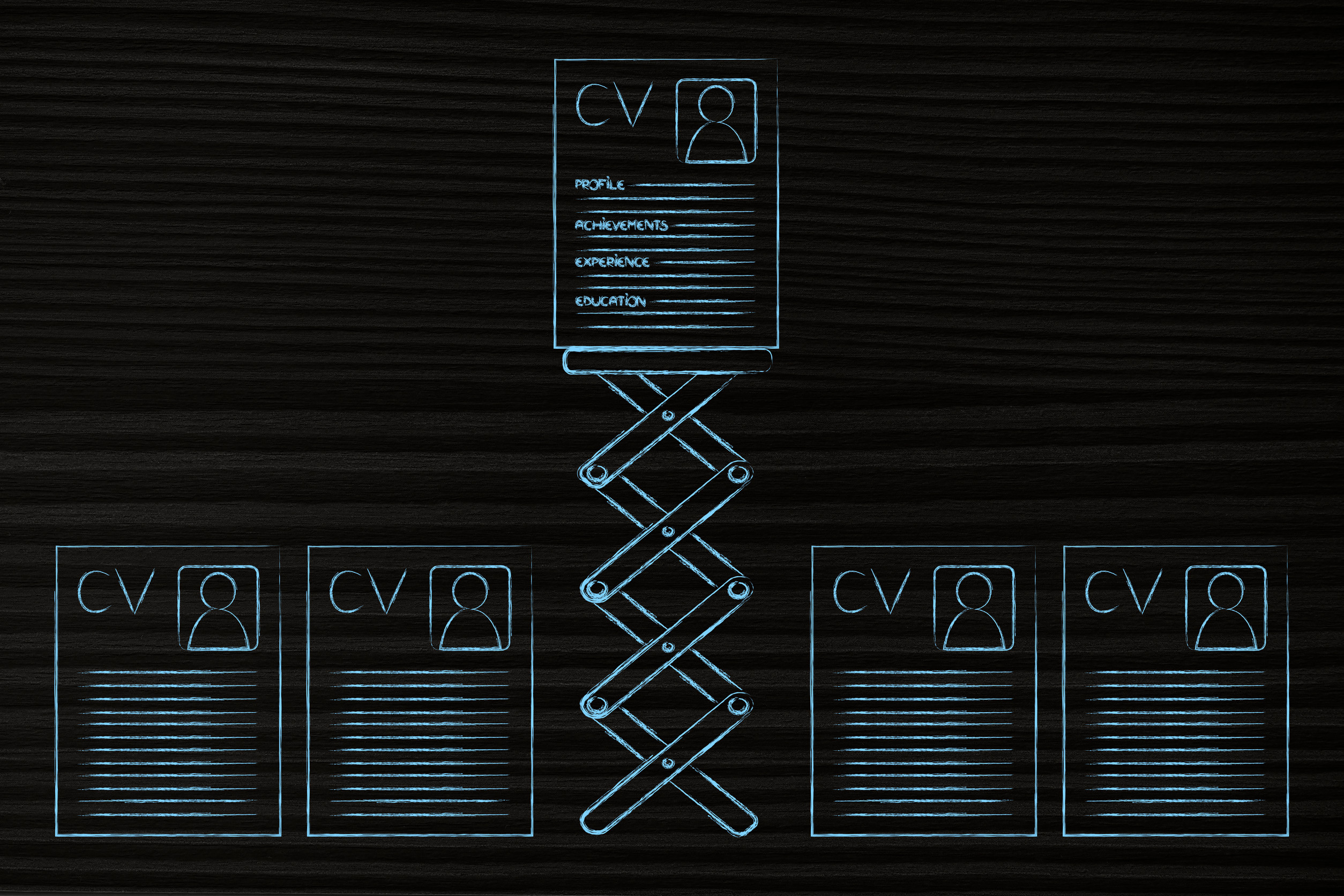
This approach also aligns with how recruiters skim resumes. When information is cleanly organized, they're able to spot your strengths instantly making them far more likely to consider you for an interview. A strong first impression starts with simplicity.
2. Skills-focused layouts become standard
Skills are becoming the “currency” of the modern job market. Recruiters in 2026 are shifting away from assessing candidates purely by job titles or years of experience. Instead, they want to know what you can do.
Skills-focused resumes emphasize:
- Relevant technical skills
- Transferable abilities
- Soft skills proven through experience
- Real-world accomplishments
This trend benefits candidates from all backgrounds—career switchers, freelancers, early-career professionals, and even experienced workers entering new fields. A well-structured skills section helps recruiters quickly understand your capabilities and decide whether you match the role.
Expect to see more resumes where the skills section is placed right under the summary, not hidden at the bottom.
3. ATS-optimized formatting is no longer optional
- Structured with predictable formatting
- Optimized with job-specific keywords
- Free of images or complex elements that break parsing
- Written with clarity to avoid misinterpretation
4. Shorter resumes with sharper impact
- No long paragraphs
- Bullet points with measurable achievements
- Removal of outdated or irrelevant jobs
- Focus on accomplishments rather than tasks
5. Personalized resumes for every application
Tailoring your resume isn’t just good practice anymore—it’s expected. Recruiters want to see intentional, targeted applications.
In 2026, this means customizing:
- Your professional summary
- Your skill emphasis
- The keywords you choose
- The achievements you highlight
- Even subtle changes in tone or structure
Personalized resumes feel more authentic and show effort. They also perform better in ATS scans because they're aligned with the language of the job description.
6. Visual consistency and professional branding
- Consistent spacing
- Matching font styles
- Harmonious section alignment
- Simple color accents (used sparingly)
How CVElevate helps you stay ahead in 2026
CVElevate was built for the modern job market, and every year the platform evolves alongside industry standards. Here’s how CVElevate prepares you for what recruiters will expect next year:
- Fresh modern templates crafted with 2026 visual and structural trends in mind
- ATS-friendly formatting that improves your chances of passing automated screenings
- Minimalist layouts designed to catch attention in just seconds
Instead of guessing what recruiters want, CVElevate ensures your resume consistently meets the standards—and stands out from the competition.